Exploring German Cuisine: Three Traditional Dishes That Surprise Foreigners


Life News
Exploring German Cuisine: Three Traditional Dishes That Surprise Foreigners

Germany's culinary heritage is rich with unique and flavorful dishes, but not all of them appeal to every palate. For many foreigners, especially those unaccustomed to certain ingredients or preparation methods, some traditional German foods can be a visual and cultural challenge. Here are three classic German dishes that often leave international visitors both curious and hesitant:

1. Mett – Raw Minced Pork


Source: Images from the Internet, if there is any infringement, please contact the removal of
 
 
Mett is a dish consisting of raw minced pork, typically spread on bread and seasoned with onions and spices, enjoyed as a breakfast or snack in Germany. While beloved by locals as a delicacy, its appearance often "deters" foreigners unaccustomed to eating raw meat.
Why It Sparks Dread: Concerns about food hygiene and the visual impact of pink raw meat make many foreigners hesitant, particularly tourists from Asia or the Americas.
Foreign Reactions: "Is this really safe to eat directly? Isn’t this just the minced meat raw material from the butcher shop?"

2. Blutwurst – Blood Sausage


Source: Images from the Internet, if there is any infringement, please contact the removal of


Blutwurst is a black sausage made from pig’s blood, fat, and grains, typically fried or boiled and served with a soft, tender texture.
Why It Sparks Dread: The use of pig’s blood as a primary ingredient is psychologically challenging for many foreigners, especially in cultures where blood-based foods are stigmatized. Its dark appearance also contributes to its intimidating reputation.
Foreign Reactions: "This looks like a prop from a horror movie. Are we sure it’s edible?"
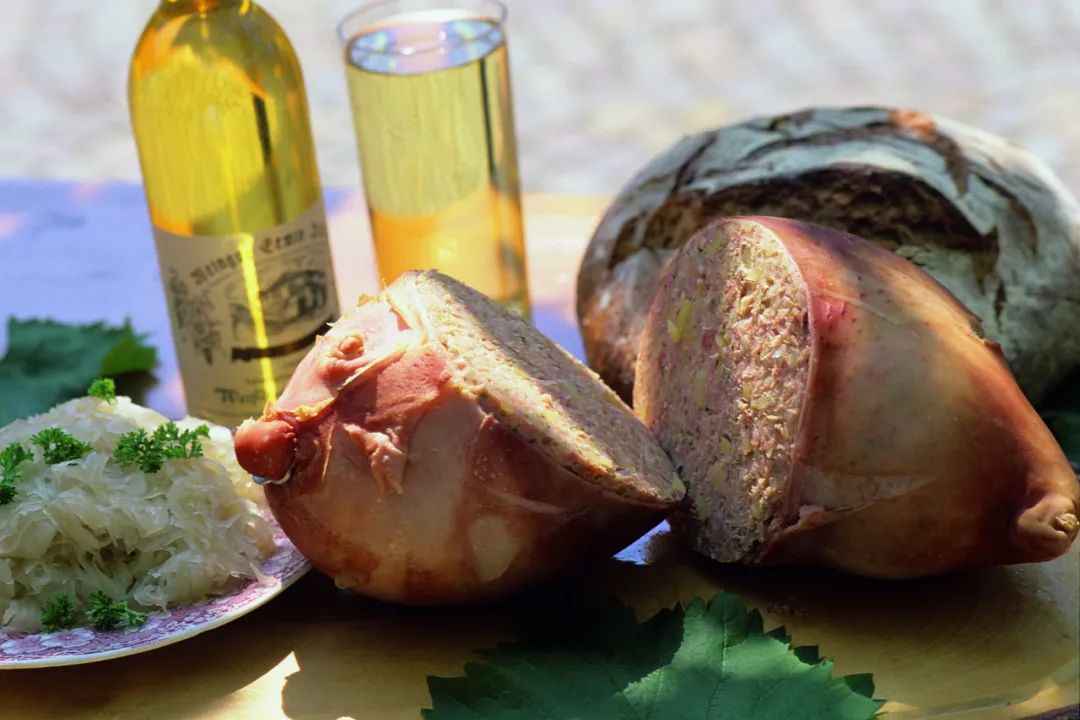
3. Saumagen – Stuffed Pig Stomach


Source: Images from the Internet, if there is any infringement, please contact the removal of


A specialty of the Rhineland-Palatinate region, Saumagen is made by stuffing a pig stomach with sausage meat, potatoes, and spices, then cooking and slicing it.
Why It Sparks Dread: The concept of using a pig stomach as a container is bold for foreigners, who may be put off by the (odor) and texture of offal.
Foreign Reactions: "Eating a stomach? Doesn’t the stuff inside feel like it’s already been ‘processed’ once?"


These dishes highlight the fascinating cultural diversity in food preferences. While they may surprise or even challenge foreign tastes, they remain cherished parts of Germany’s culinary identity, reflecting regional traditions and historical cooking practices. For adventurous eaters, they offer a unique window into the heart of German culture – though newcomers might want to approach them with an open mind (and perhaps a small first bite).


Note: This article is for cultural exchange purposes and does not reflect a judgment on any culinary tradition.

Latest Stories
Social News2 minute readMexican New Year celebrations blend vibrant symbolism with culinary heritage, creating a sensory experience of color, flavor, and renewal. Homes across the country transform into kaleidoscopic spaces, each hue carrying intentional meaning: red for love, yellow for career prosperity, and green for financial abundance. This decorative ritual, rooted in indigenous and Spanish traditions, turns living spaces into visual prayers for the year ahead.
Life News2 minute readVienna, Austria – Nestled at the crossroads of Central Europe, Austria’s culinary landscape is a vibrant mosaic of cultural influences, and few dishes embody this fusion more iconically than the beloved Wiener Schnitzel. More than just a national staple, this crispy, golden delight tells a story of historical exchanges and culinary ingenuity.
Sports News1 minute readAdditional details emerged Monday on the 2028 Los Angeles Olympics’ sport and venue schedule. The first events will start July 12—days before the opening ceremony—with team sports like cricket (Pomona Fairplex), handball (Long Beach Arena), and field hockey (Dignity Health Sports Park) kicking off at 9 a.m. local time. More early soccer prelims may be added later.
Life News1 minute readRoast turkey, an iconic staple of Western holiday feasts, has a history dating back to 1620. Legend has it that when European settlers arrived on the North American continent, they celebrated their first harvest with local Native Americans in Plymouth Colony, where turkey was a key part of the feast. This tradition gradually evolved into a central dish of modern Thanksgiving and Christmas celebrations
Life News1 minute readKnown as "dolsot bibimbap," "Korean mixed rice," or "stone bowl bibimbap," this dish is a quintessential rice-based cuisine of the Korean Peninsula. Its roots can be traced to Jeonju, a city in the southern part of the peninsula, and it has since evolved into a representative food of Korean culture, with Jeonju's version gaining worldwide renown.
Insect Information1 minute readTokay geckos are known for their aggressive nature and powerful bites. These reptiles, native to Southeast Asia, have sharp teeth that are large enough to pierce human skin. Their bites can cause significant pain and discomfort, and may even lead to infection if not treated properly.
Industry News1 minute readMicrosoft has recently halted the rental and purchase of movies and TV shows through Xbox consoles and the Microsoft Store on Windows PCs, according to the company’s newly updated support page and multiple news reports.