Insect Information
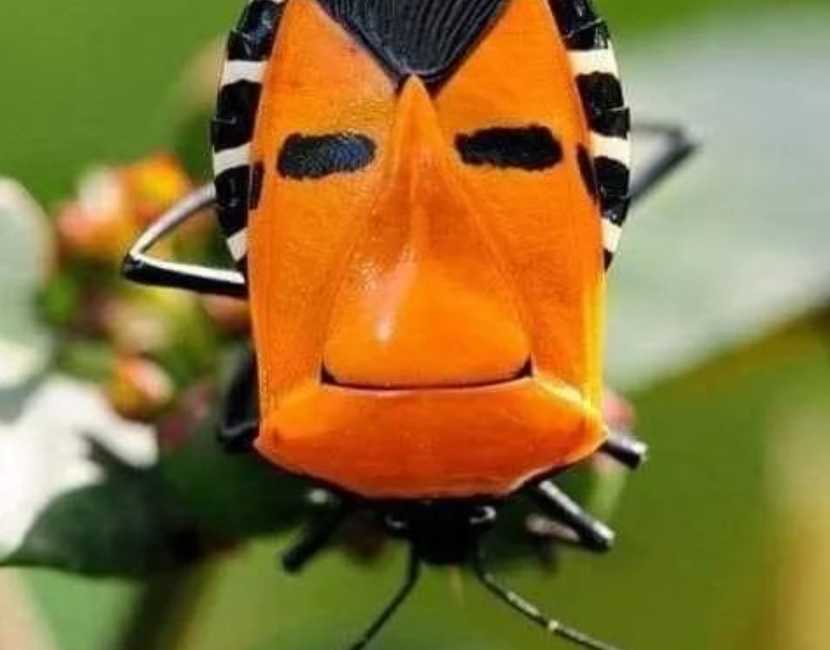
The Face Bug (Auchenorrhyncha: Proconiini): Nature's Cryptic Portraitists of Southeast Asia
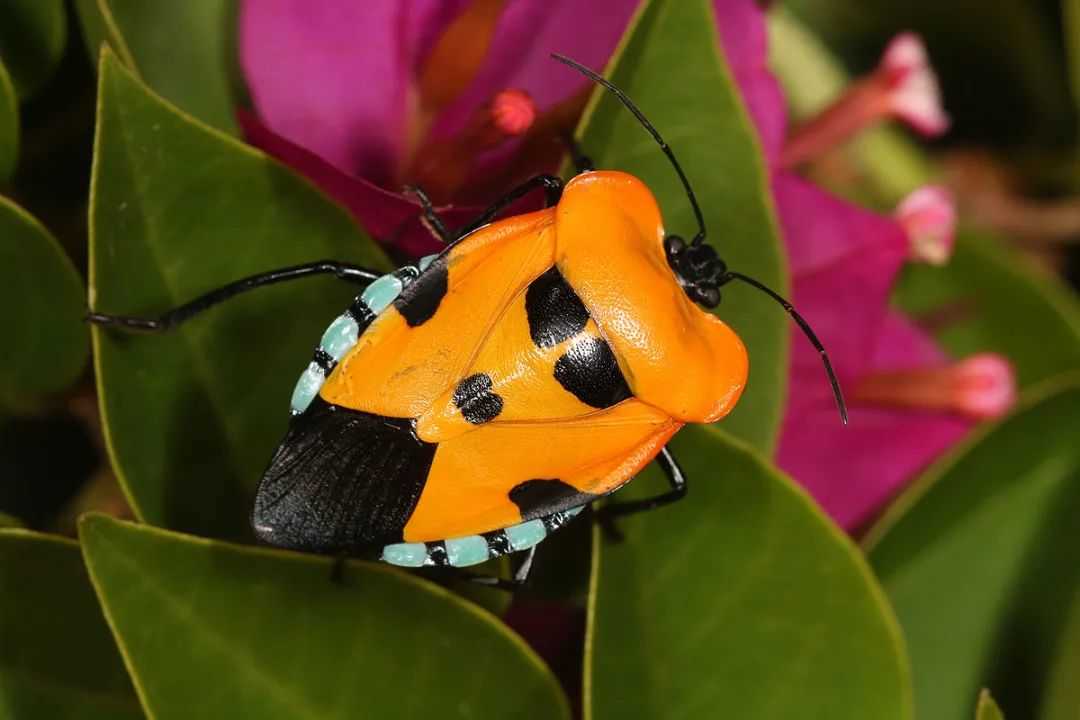
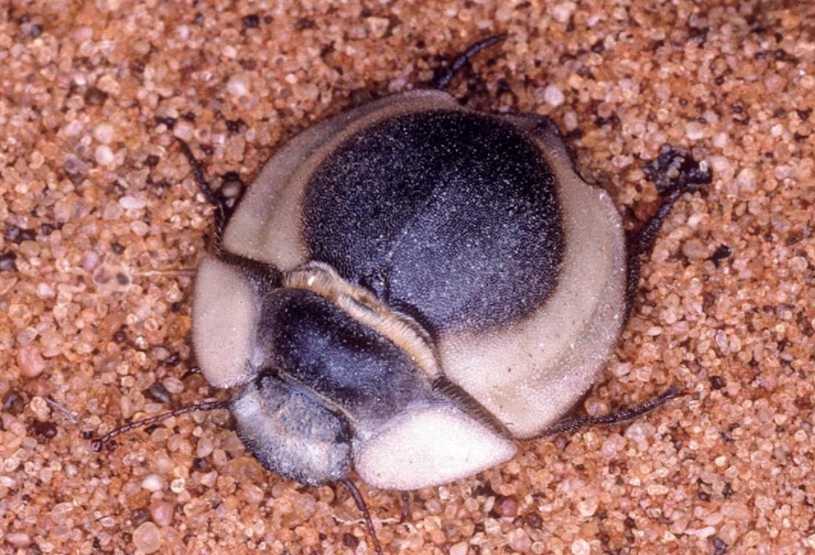
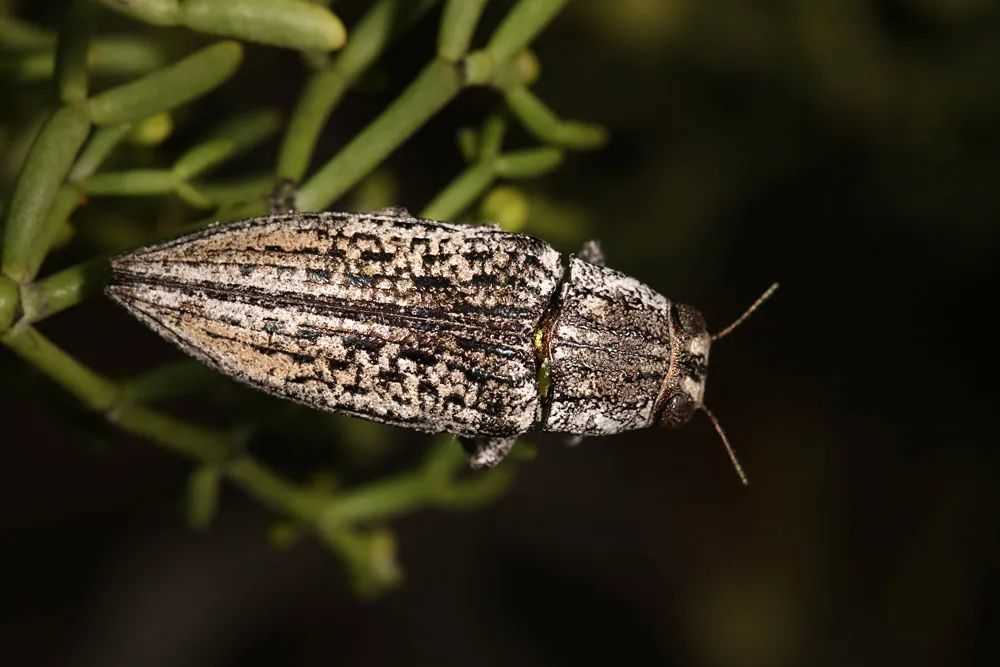
The face bug, a member of the Proconiini tribe in the hemipteran suborder Auchenorrhyncha, earns its name from a remarkable evolutionary trick: the dorsal surface of its thorax and abdomen resembles a human face, complete with "eyes," "noses," and even "mouths." Native to the tropical forests of Southeast Asia, these insects showcase nature’s most whimsical form of mimicry, with each individual sporting a unique facial pattern that defies repetition.
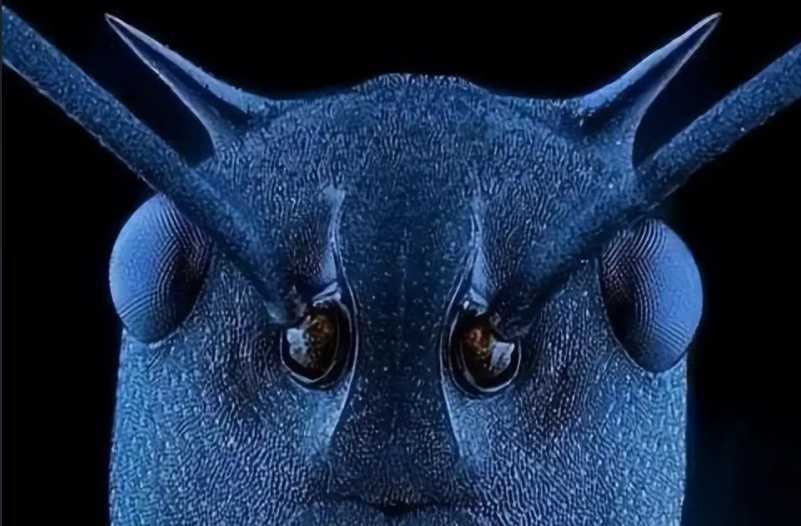
Ants' Facial Close - ups: Uncovering the Expressive Faces of Tiny Insects
Ants, those ubiquitous tiny creatures, have always been a common sight in our daily lives. However, recent close - up photography has revealed a surprising fact: ants seem to have expressions. These detailed images capture the nuances of their faces, showing features that give the impression of different emotions.
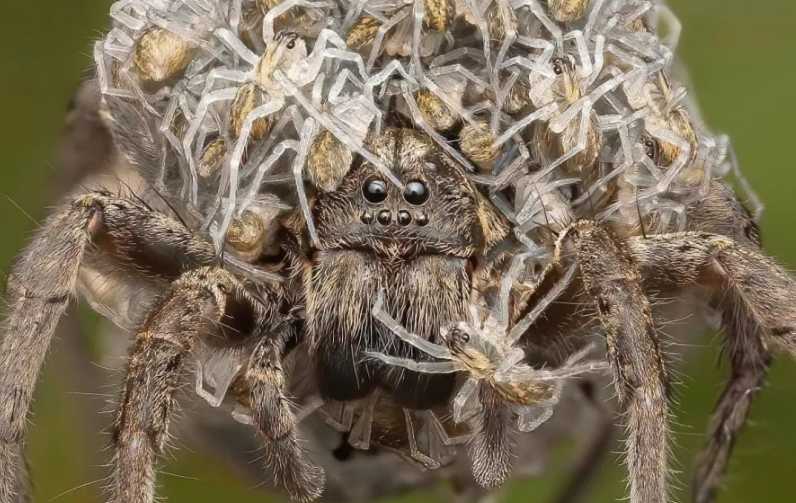
Wolf Spiders and Their Young: Nature’s Dedicated Mothers
Wolf spiders (Lycosidae) embody maternal dedication in the arachnid world, carrying their offspring with them in a manner that underscores the sacrifices of parenthood in the wild. Females of these ground-dwelling spiders spin silk egg sacs containing hundreds of eggs, which they attach to their spinnerets, literally towing the sac behind them as they hunt and move. This behavior ensures the eggs remain protected and oxygenated, a critical investment in their survival.
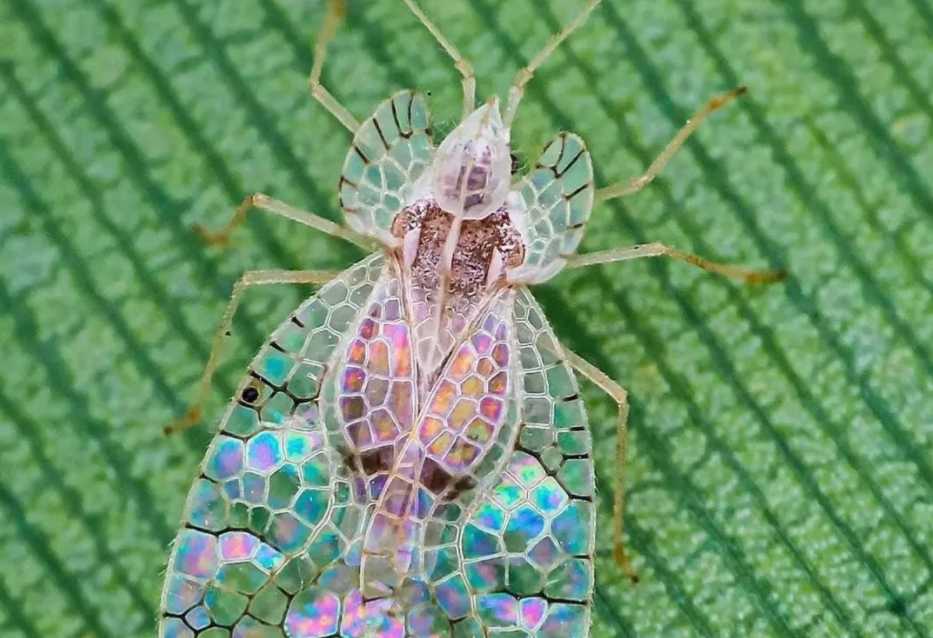
The Lace Bug: Nature's Living Stained Glass Masterpiece
In the realm of tiny arthropods, lace bugs (family Tingidae) stand out as living works of art, their bodies resembling intricate stained glass windows crafted from iridescent, lace-like exoskeletons. These minuscule insects, typically measuring 2–7 mm, adorn leaves in tropical and temperate regions, their translucent wings and thoraces patterned with geometric grids, spikes, and ornate reticulations that shimmer in the light.
The Beech Tree That Mysteriously Grew to Resemble a Giant Human Form
Deep in the heart of Bulgaria’s Balkan Mountains, a beech tree has astonished locals and visitors alike with its uncanny resemblance to a giant human figure. The tree, located in a remote forest region, appears to have formed natural "limbs," a "chest," and even a "head" that mimic the proportions of a human body, sparking wonder and speculation about its extraordinary shape.

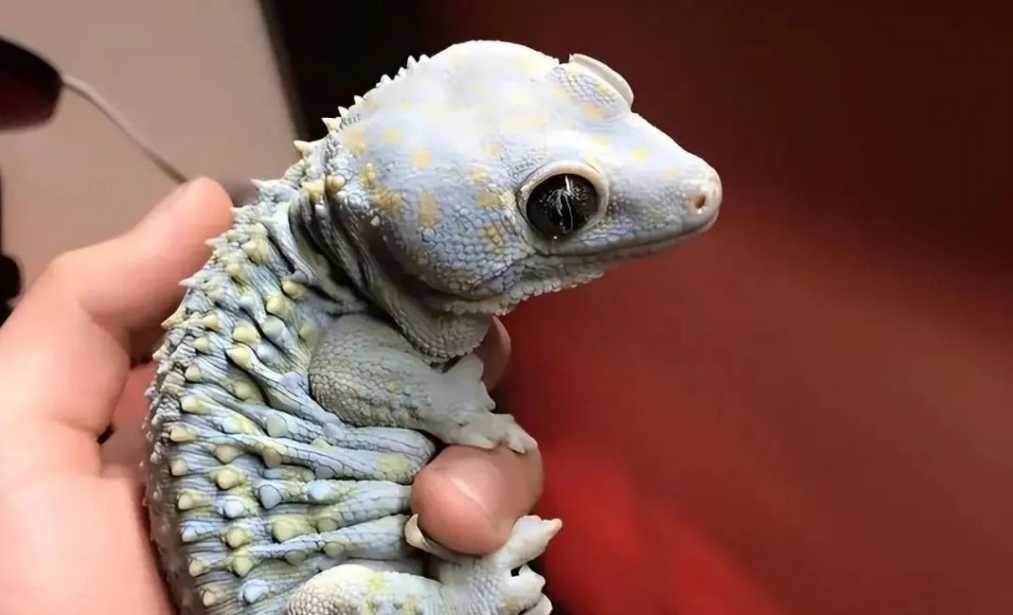
Aggressive Tokay Geckos: A Closer Look at Their Biting Abilities
Tokay geckos are known for their aggressive nature and powerful bites. These reptiles, native to Southeast Asia, have sharp teeth that are large enough to pierce human skin. Their bites can cause significant pain and discomfort, and may even lead to infection if not treated properly.
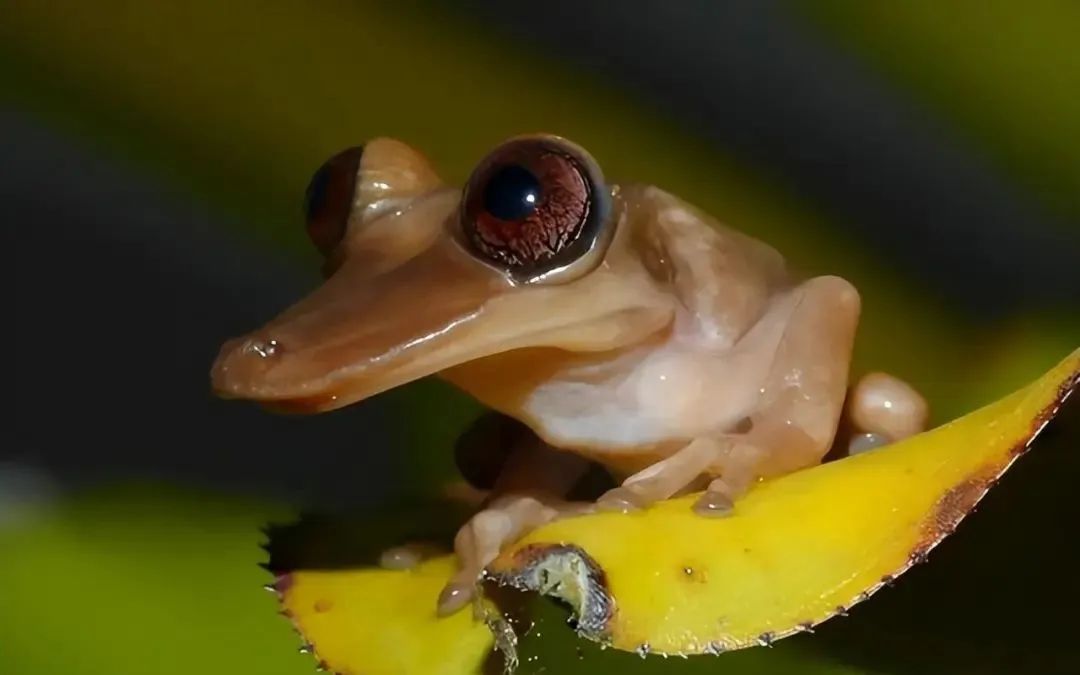
The Duck-Billed Tree Frog: Nature's Quirky Amphibian Marvel
Deep in the rainforests of Central and South America, a peculiar amphibian with a bill-like snout has captivated herpetologists: the duck-billed tree frog (Hyla labialis). This arboreal species, named for its flattened, downward-curving snout that resembles a duck’s bill, showcases nature’s whimsical approach to adaptation, blending functionality with an unforgettable appearance.
Earwigs: The Insects with a Pincher-Tipped Surprise
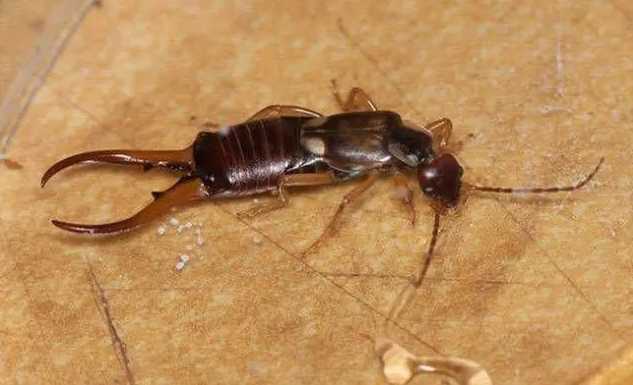
Often mistaken for other bugs, earwigs (order Dermaptera) stand out with a unique anatomical mix: a slender, rove beetle–like upper body that transitions to a pair of prominent forceps-like pincers at the abdomen’s tip. This distinctive design has fascinated and confused observers for centuries, blending subtlety with a bold defensive feature.