Economic News





Australian Business Conditions Surge to 1-Year High, Offset by U.S. Tariff Risks
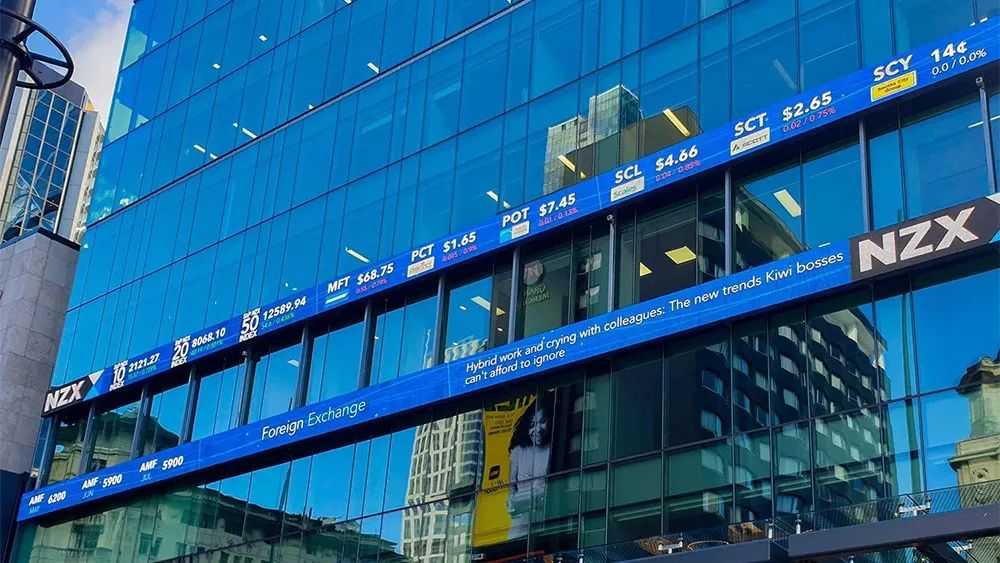
Australia’s business environment improved sharply in June, with NAB’s Business Conditions Index jumping 9 points to a 13-month peak on July 9, while confidence rose for the third straight month (+3 points). All key metrics strengthened: sales surged 10 points, profitability gained 9 points, and employment edged up 2 points. Capacity utilization hit 83.3%, with future orders climbing 2 points, signaling a shift from early-year weakness and stronger second-half momentum, noted NAB’s Australian Economics Head Gareth Spence.

UK Economy Shows Mixed Signals: Ebbing Housing Policy and Pressured Manufacturing
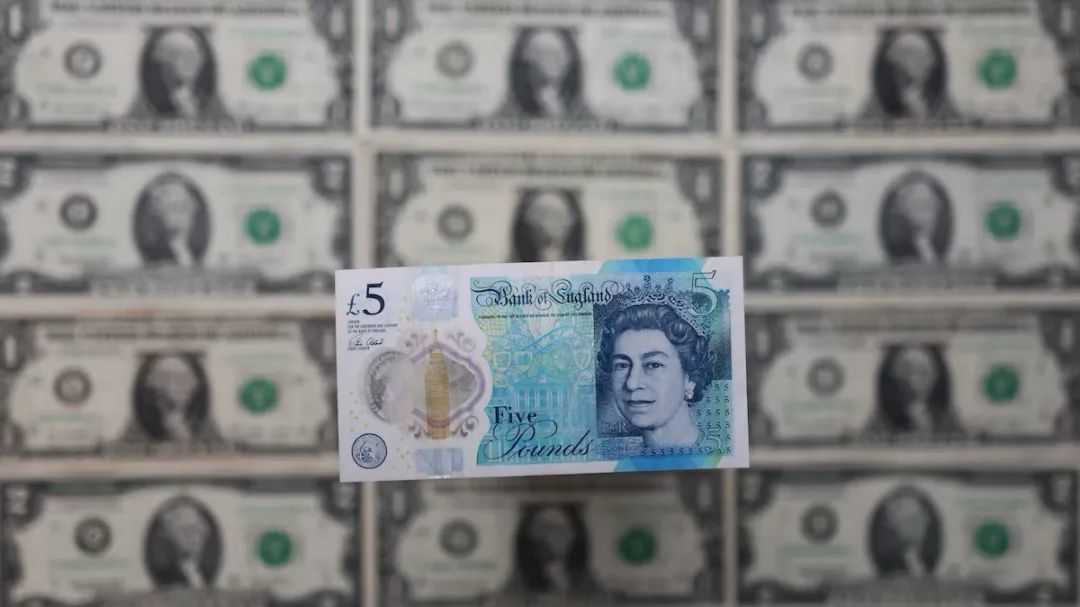
The UK economy is displaying divergent signals, with the housing market and manufacturing sector showing contrasting trends. In March, mortgage lending in the UK increased by £12.963 billion, reaching a new high since June 2021. This was driven by homebuyers rushing to take advantage of the first - time buyer tax - break before it ended on April 1st. However, the housing market cooled rapidly after the policy ended.
BOJ Warns of Food Price-Driven Inflation; U.S. Tariffs Could Severely Hurt Japan's GDP
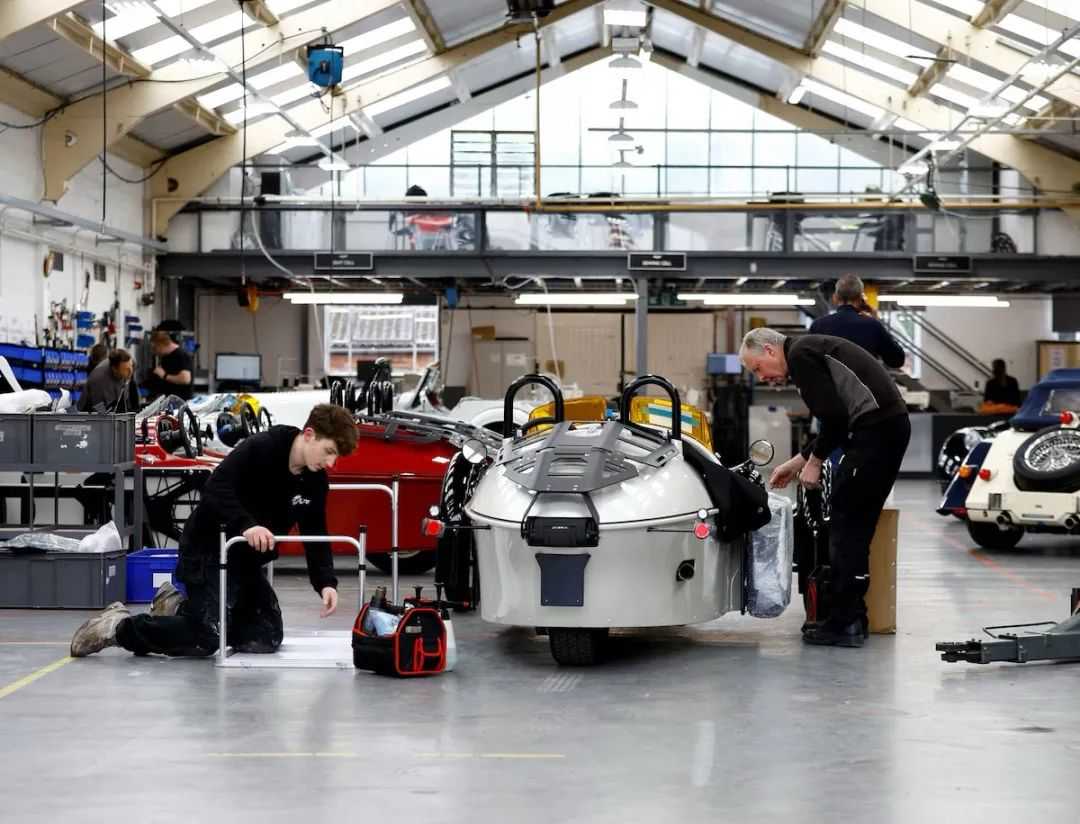
Bank of Japan board member Junko Kotani warned on July 9 that surging prices of rice and other foodstuffs are intensifying inflationary pressures, urging vigilance against "second-round effects" that might lift household inflation expectations. Japan’s consumer inflation remains around 3%, but the BOJ’s weighted median inflation gauge—closely watched by policymakers—still lags below the 2% target. Kotani noted economic uncertainty makes it premature to pinpoint the next rate hike, with food prices a critical variable.

German Industrial Orders Drop More Than Expected, Clouding Euro Zone Recovery
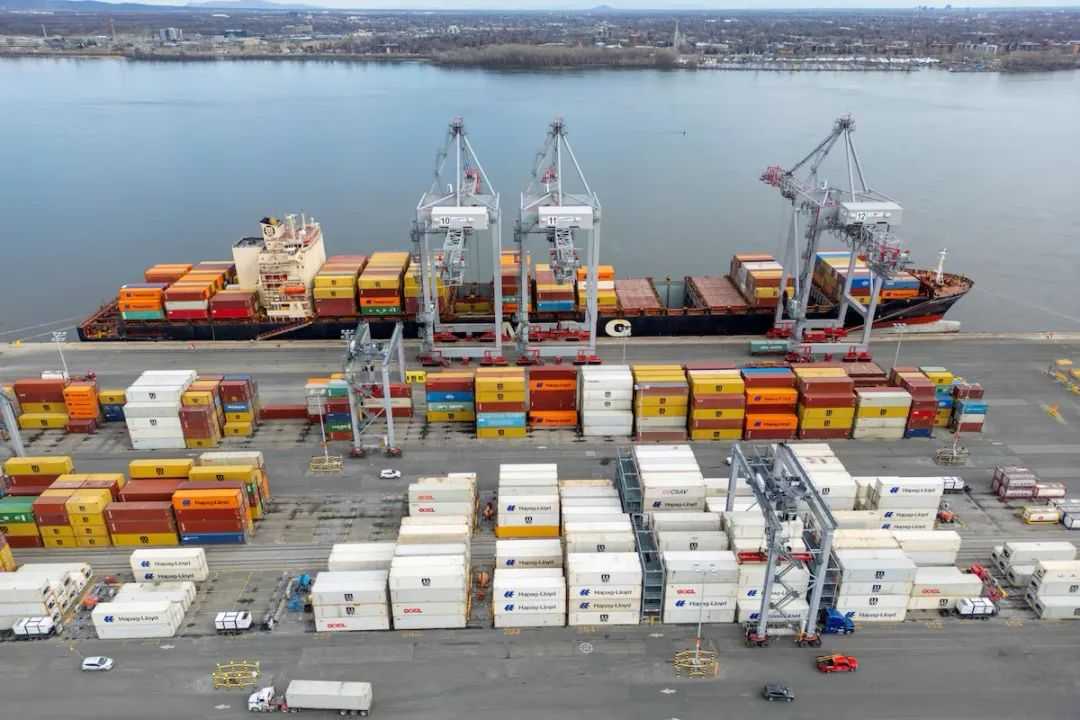
Germany’s industrial orders fell unexpectedly by 1.4% month-on-month in May, far exceeding the market’s projected 0.1% decline and ending a three-month recovery streak. Weak domestic demand emerged as the primary drag: domestic orders plummeted 7.8%, with the computer and electronics sector crashing 17.7%, while electrical equipment and basic metals industries also contracted.
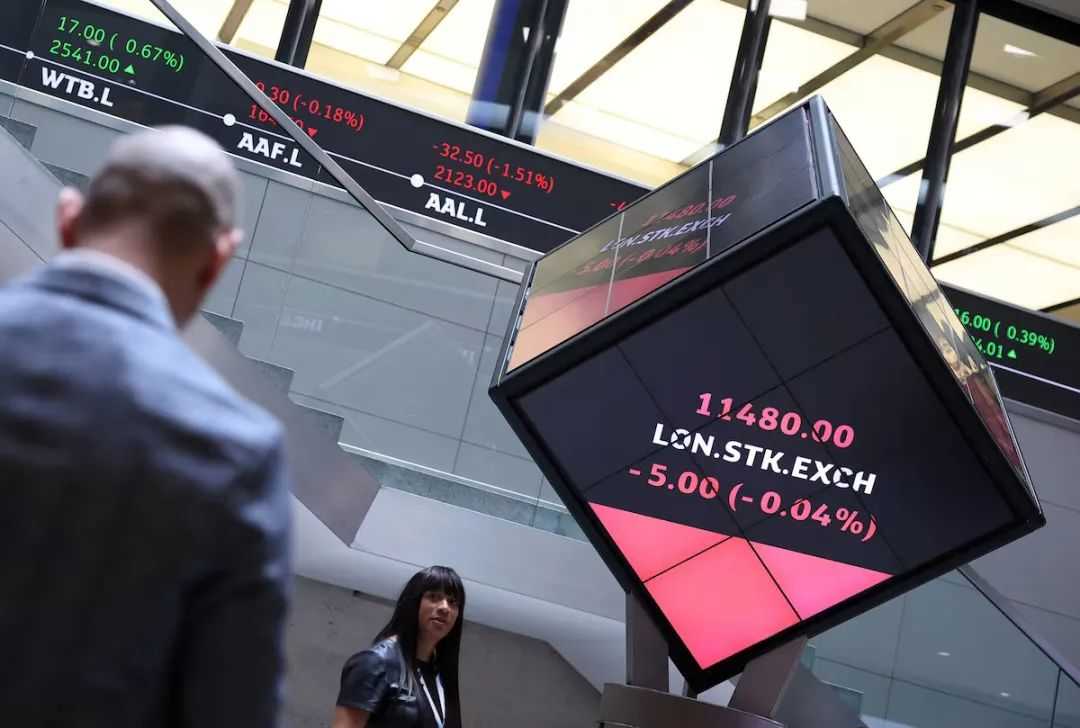
UK Stocks Focus on Central Bank Policies: FTSE 100 Slightly Down 0.2% with Precious Metals Sector Leading the Way
On May 6, the UK's FTSE 100 index closed 0.2% lower at 8,143 points. Investors remained cautious ahead of the interest rate decisions of the Federal Reserve and the Bank of England. The mid - cap index, however, bucked the trend and rose 0.6%, achieving a nine - day winning streak. The precious metals sector soared 5.5% boosted by the gold price. Endeavour Mining (+5.2%) and Fresnillo (+4.7%) led the gains among the blue - chip stocks.
Amazon Hits 1 Million Robots, Launches DeepFleet AI to Revolutionize Logistics with "Second-Level Response"
Recently, Amazon announced that the number of its robots deployed globally has reached 1 million, and launched a generative AI foundation model named DeepFleet, bringing a major transformation to the logistics industry and opening a new era of "second - level response".

Japan’s Spring Wage Hikes Hit New High, but Real Purchasing Power Shrinks; U.S. Tariff Standoff Looms
Japan’s 2025 "shunto" (spring wage negotiations) concluded with average pay hikes reaching 5.25%—equivalent to ¥16,356 per month—marking the second consecutive year of 5%-plus increases. Small and medium enterprises (SMEs) offered 4.65% raises (¥12,361 monthly), up 0.2 percentage points from 2024 but still lagging far behind large corporations. The Japanese Trade Union Confederation noted that while wage gains expanded, SMEs failing to hit the 5% threshold widened income disparities.

Australian Stocks Surge 0.92% to Top 8000, with Uranium Shares Leading the Way
On April 29, the S&P/ASX 200 index in Australia witnessed a significant upswing. It climbed 73.5 points, or 0.92%, to close at 8070.6 points, hitting a new eight - week high. The market sentiment received a boost from the 利好 news of the United States reducing tariffs on auto parts.
